Tower Hamlets Flower Waste Rules and Responsible Disposal
Posted on 27/10/2026
If you are dealing with leftover bouquets, event flowers, damaged stems, or commercial floral waste, the rules around Tower Hamlets Flower Waste Rules and Responsible Disposal can feel more confusing than they should. One minute it is a few wilted roses in a shop bucket, the next it is a full post-event clean-up with packaging, water, ribbon, and organic waste everywhere. Truth be told, it is the sort of task people only notice when it starts to smell a bit too green.
This guide breaks everything down in plain English. You will learn what responsible flower disposal looks like in Tower Hamlets, why it matters, how to handle different types of floral waste, and what good practice usually looks like for homes, florists, venues, offices, and event teams. We will also cover common mistakes, practical steps, and a useful comparison of disposal methods so you can make the right call without overthinking it.
For local businesses managing regular floral stock, it can also help to understand the wider context of service quality, storage, and waste handling. If you are looking at broader flower services in the area, you may also find local florist services in Wapping, flower delivery in Wapping, or even sustainability information relevant to your planning.
Table of Contents
- Why Tower Hamlets Flower Waste Rules and Responsible Disposal Matters
- How Tower Hamlets Flower Waste Rules and Responsible Disposal Works
- Key Benefits and Practical Advantages
- Who This Is For and When It Makes Sense
- Step-by-Step Guidance
- Expert Tips for Better Results
- Common Mistakes to Avoid
- Tools, Resources and Recommendations
- Law, Compliance, Standards, or Best Practice
- Options, Methods, or Comparison Table
- Case Study or Real-World Example
- Practical Checklist
- Conclusion
- Frequently Asked Questions
Why Tower Hamlets Flower Waste Rules and Responsible Disposal Matters
Flower waste might look harmless. It is soft, natural, and biodegradable, so surely it can just go anywhere, right? Not quite. Once flowers are cut, arranged, wrapped, and mixed with plastic sleeves, foam, tape, water, or food waste, they stop being simple garden waste and become a real sorting job.
In a busy borough like Tower Hamlets, responsible disposal matters for a few practical reasons. First, waste that is mixed badly can create smells, attract pests, and make collections more difficult. Second, floral waste from shops, events, restaurants, hotels, and offices can build up quickly if nobody has a clear routine. And third, the cleaner and better-separated the waste stream, the more likely it is to be handled efficiently rather than becoming a nuisance.
There is also a reputation angle. A florist that leaves soggy stems in a black bag outside the door at the end of the day does not exactly send the right message. The same goes for an event organiser who clears a venue but forgets the rose heads, foliage, and packaging hidden under tables and chairs. Responsible disposal says you care about the details, and people notice that more than you might think.
For residents, it is a quieter issue but still important. If you receive regular bouquets, memorial flowers, or seasonal arrangements, it helps to know what to do with the leftovers instead of binning everything together. Small habits make a surprisingly big difference.
Expert summary: The safest approach is usually to separate organic flower material from non-organic packaging, drain water first, and use the right local waste route for each part. Simple, calm, and much less messy.
How Tower Hamlets Flower Waste Rules and Responsible Disposal Works
There is no single "flower bin" rule that covers every situation. In practice, Tower Hamlets flower waste disposal depends on what the material is, where it came from, and whether it can be separated cleanly. That is the key point.
1. Separate the flower material from the packaging
Fresh stems, petals, leaves, and stems are usually treated as organic material. But a bouquet often includes cellophane, elastic bands, ribbon, florist tape, labels, wire, plastic containers, and sometimes floral foam. Those items are not handled in the same way. If you mix them all together, disposal gets harder and less efficient.
2. Remove water and soggy residue
Before you bag anything, pour away vase water carefully. Don't just tip a full vase into a bag and hope for the best. That creates leaks, smells, and sometimes a bit of a flooring disaster if you are indoors. A small detail, yes. An annoying one, absolutely.
3. Decide whether the waste is domestic, commercial, or event-based
At home, small amounts of flower waste are usually handled through regular household waste or home composting where suitable. In commercial settings, the rules are more operational: waste should be sorted, stored, and collected in a way that matches local requirements and the business's waste contractor. Event venues often need a quick turnaround, especially after weddings, conferences, or seasonal celebrations.
4. Keep contaminated materials out of recycling
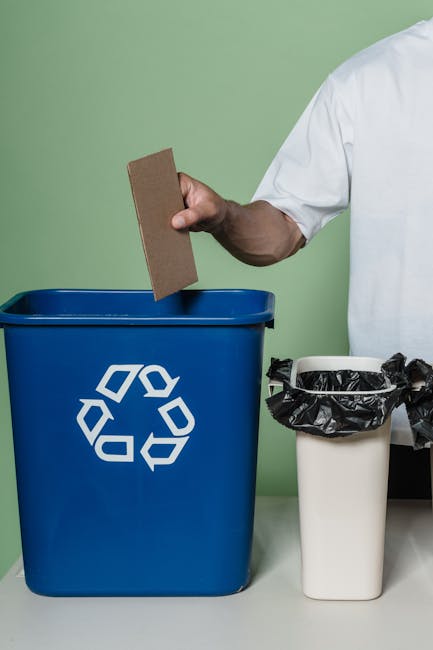
Flower waste itself is not the same as recyclable paper or cardboard. If packaging is clean and suitable for recycling, it may be treated separately. If it is wet, coated, dirty, or mixed with organic material, it may no longer be recyclable. That is one of the easiest mistakes to make.
5. Use the right collection method
Some waste can go in food or garden waste streams if local arrangements allow it. Some must go in general waste. Some can be composted locally if you have the right setup. The right route depends on your property type, access, and current waste contract. If you are unsure, it is better to check than to guess. Guessing is how people end up with half a bucket of tulip stems in the wrong bin and a headache later.
A lot of people ask whether flowers can simply be composted. Sometimes yes, sometimes no, and sometimes only the non-treated parts. It depends on whether the flowers are free of chemicals, whether they contain wire or foam, and whether the composting system can handle them. That is why the separating step matters so much.
Key Benefits and Practical Advantages
Following proper flower waste rules is not just about being tidy. There are real operational benefits too, especially for florists, venues, and hospitality businesses in a dense part of London.
- Cleaner premises: Less water leakage, fewer smells, and fewer piles of wilted stems behind the counter or in the stock room.
- Better waste efficiency: Sorted waste is easier to collect and often simpler to manage.
- Improved compliance: Careful waste handling helps businesses stay aligned with local and broader UK expectations.
- Lower contamination risk: Keeping packaging and organics apart improves the chance of proper recycling or composting.
- Better customer perception: People notice when a florist, shop, or venue runs neatly from front of house to back of house.
- Reduced trip and slip hazards: Wet flower debris on floors, paths, or loading areas can become a real safety issue.
For event teams, there is another quiet benefit: faster close-down. If you know which bucket, bag, or container each type of waste belongs in, you can clear a space much more quickly. That matters at the end of a wedding when the music stops, the lights go up, and everyone suddenly wants to get home.
There is also a cost discipline angle. Better sorting often reduces waste contamination and awkward last-minute disposal work. You are not saving pennies in a dramatic way every day, but over time it adds up.
Who This Is For and When It Makes Sense
This topic is relevant to far more people than many realise. If flowers show up in your space on a regular basis, the disposal side probably matters to you already, even if nobody has written it down yet.
Florists and flower shops
Shops generate continuous waste from trimming stems, refreshing stock, removing tired blooms, and clearing packaging. A clear routine is essential, especially when fresh stock arrives in the morning and older bouquets need to come out later in the day.
Event venues and wedding teams
Weddings, receptions, launches, and corporate events can leave a surprising amount of floral waste. Table arrangements, buttonholes, ceremony pieces, and entrance displays all need a plan for dismantling and disposal.
Offices and commercial buildings
Reception flowers, client gifts, and staff arrangements are usually low-volume, but they still need practical disposal once they fade. A small vase by the front desk can turn very sad, very quickly.
Households and residents
If you receive flowers regularly, or you have a home composting setup, understanding what is and is not suitable makes everyday disposal simpler.
Hospitality businesses
Hotels, restaurants, cafes, and bars often use floral decor for atmosphere. Once displays are removed, the waste is usually a mix of organic and non-organic material, which needs sorting carefully.
If you are already thinking about how to manage flowers more efficiently, it can help to look at the wider service chain too. For example, some businesses use reliable delivery options or flower care guidance to reduce spoilage in the first place. Less waste to clear is always the nicest outcome, isn't it?
Step-by-Step Guidance
Here is a simple process you can use for most situations. It is practical, repeatable, and easy to brief to staff. Nothing fancy. Just effective.
- Identify the waste type. Decide whether you are dealing with fresh flowers, dried flowers, stems, leaves, packaging, or a mixture of materials.
- Remove reusable items first. Vases, baskets, cards, tags, stands, and reusable display items should be separated immediately.
- Drain any water. Pour vase water into a sink or suitable drain point where appropriate. Avoid tipping it into general waste sacks.
- Strip out non-organic materials. Take off ribbon, tape, wire, plastic sleeves, foam, and any decorative extras that are not part of the plant material.
- Sort the organic matter. Put stems, petals, leaves, and natural trimmings into the correct waste stream or composting route if suitable.
- Bag or contain carefully. Use strong liners or containers that will not leak. Wet floral waste needs special care because it quickly becomes messy.
- Store waste safely. Keep bags closed, out of walking routes, and away from food-prep areas.
- Arrange timely collection or disposal. Do not leave floral waste sitting around for days. It gets grim fast. And yes, the smell can arrive before you notice the bag has split.
A useful habit is to create a tiny sorting station. One tray for reusable items, one for organic waste, and one for general waste. That alone cuts confusion. In our experience, when a team can see the system in one glance, they actually use it.
Expert Tips for Better Results
These are the small habits that make a surprisingly big difference.
- Sort on arrival, not later: If flowers arrive in mixed packaging, separate them as soon as possible. Once they are wet and droopy, the job gets harder.
- Use shallow containers for waste staging: This helps prevent water pooling and makes handling safer.
- Keep a dedicated "soft waste" bag: Use it for petals and leaves only if your disposal route allows it. Mixing in tape or wire defeats the point.
- Train staff on obvious contamination risks: One person tossing floral foam into an organic bin can undo a clean sorting system.
- Schedule daily disposal for busy premises: Daily removal is often enough to stop odour build-up and keep back-of-house areas workable.
- Check packaging before recycling it: Clean cardboard is one thing; wet cardboard soaked through with stem water is another.
One tiny, human detail: flower waste is often most annoying not because of volume, but because of timing. You are usually busy when it needs clearing. So build a process that works when people are rushed, not when everything is calm and ideal. That is the real test.
Practical tip: If you are dealing with regular floral waste, label your bins clearly in plain language. "Organic flower waste" works better than a clever code no one remembers by Thursday.
Common Mistakes to Avoid
Most problems with flower waste are not dramatic. They are small, repeated errors. The good news is they are easy to fix once you know what to watch for.
- Throwing everything in one bag: Flowers, ribbon, cellophane, foam, and wire should not be mixed if you can avoid it.
- Forgetting to drain water: This is how leaks start. One damp bag becomes three damp bags, and then everyone is annoyed.
- Leaving waste too long: Fresh flowers become unpleasant fast, especially in warm indoor spaces.
- Assuming all natural material is compostable: Not all flower waste is suitable if it has been treated, wired, or glued together.
- Using the wrong external container: Weak sacks tear. Then the floor gets wet, and the lift journey gets weirdly memorable.
- Ignoring packaging contamination: If plastic sleeves are dirty or glued to wet stems, they may no longer belong in recycling.
- Not briefing new staff: A well-run system can still fail if the newest person on shift is guessing.
And yes, sometimes people just get busy and do the nearest sensible thing. Fair enough. But with flower waste, "nearest sensible thing" is often not the right thing.
Tools, Resources and Recommendations
You do not need a fancy setup to manage flower waste properly, but a few simple tools help a lot.
- Colour-coded bins or liners: Helpful for separating organic, recyclable, and general waste.
- Leak-resistant sacks: Essential for wet stems, vase trimmings, and mixed floral waste.
- Small hand trolleys or tubs: Useful for moving waste from the front of house to back of house without spills.
- Labels and short instructions: Clear signage beats guesswork every time.
- Drain-safe containers: Good for emptying vase water cleanly before sorting the rest.
- Basic staff checklist: A one-minute routine is better than a long manual no one reads.
For businesses with recurring floral orders, it can also help to align disposal planning with procurement. If you already know which arrangements you buy most often, you can anticipate the waste profile too. A lot of people forget that detail. Then the waste build-up appears and everyone acts surprised. It is a bit funny, really, if it were not happening in the stock room.
Useful supporting pages on this site include service guarantees, delivery information, and about us if you want to understand how the wider service operates. For seasonal planning, browsing summer flowers or best sellers can also help you predict demand and waste more accurately.
Law, Compliance, Standards, or Best Practice
When discussing flower waste rules, it is sensible to be careful. Local waste arrangements can vary, and businesses should always follow the current guidance that applies to their premises, waste contract, and waste type. This article is not a legal opinion, but the general principles are straightforward.
For commercial premises, the expectation is usually that waste is separated correctly, stored safely, and handed over through appropriate collection routes. Mixed waste, contaminated recycling, and badly managed wet waste can create hygiene issues and operational problems. If your business generates larger quantities of floral waste, it may also need a more formal waste plan.
Here are the best-practice principles that are widely sensible in the UK context:
- Duty of care: Businesses should manage waste responsibly and ensure it goes to an appropriate handler.
- Source separation: Keep recyclable, organic, and general waste apart where possible.
- Safe storage: Prevent leaks, odours, pest issues, and blocked walkways.
- Documentation: Where relevant, keep basic records of waste removal and collection arrangements.
- Contract clarity: Know what your waste provider accepts and what it does not.
If you are unsure about how your own premises should handle floral waste, it is wise to speak to a competent waste contractor or your internal facilities lead. The important thing is not to improvise. Improvising is fine for dinner, not so much for waste handling.
Options, Methods, or Comparison Table
There is more than one way to deal with flower waste, and the best choice depends on volume, location, and contamination risk. The table below gives a practical comparison.
| Method | Best for | Advantages | Limitations |
|---|---|---|---|
| General waste | Mixed or contaminated flower waste | Simple, widely available, suitable when materials cannot be separated cleanly | Less sustainable, may be costlier over time, not ideal for reusable organic material |
| Organic or garden-style waste streams | Clean stems, petals, and leaves | Better environmental outcome, cleaner separation, often more efficient for natural material | Not suitable if mixed with wire, foam, or plastic |
| Home composting | Small household volumes | Low cost, environmentally friendly, useful for untreated natural waste | Not suitable for all flower types or decorative materials |
| On-site segregation for collection | Florists, venues, hospitality, offices | Improves compliance, reduces contamination, supports smoother operations | Needs staff training and a bit of discipline |
For most commercial readers, the right answer is not a single method but a clean workflow. Keep the organic parts separate, isolate the packaging, and stop contamination early. That combination usually gives the best outcome.
Case Study or Real-World Example
Imagine a small flower shop near a busy street in Tower Hamlets after a Saturday rush. The morning deliveries arrive in paper sleeves and plastic wraps. By late afternoon, a few bouquets have not sold, a wedding order has come back from a venue, and the vase buckets need emptying. The back room is starting to feel cramped. You can almost hear the damp stems rubbing against the bucket sides.
In the old routine, everything would go into one bag. Easy, but messy. The bag would get heavy, water would leak, and the staff member taking it out would spend half the trip trying not to drip on the pavement.
In the improved routine, the team does three things. First, they remove reusable materials and place them aside immediately. Second, they drain vase water into a sink. Third, they separate natural waste from packaging and store each stream in a clearly marked container. The result is simple: less odour, fewer leaks, less confusion, and a much tidier close-down at the end of the day.
That sort of change sounds minor until you see the difference. After a week, the team usually wonders why they ever did it the hard way. Happens all the time.
Practical Checklist
Use this checklist before disposing of flower waste in Tower Hamlets:
- Have I separated flowers, stems, leaves, and petals from packaging?
- Have I removed ribbon, wire, cellophane, ties, and foam?
- Have I drained all vase water safely?
- Am I keeping organic and non-organic waste apart?
- Is the waste bag or container strong enough for wet material?
- Have I checked whether any part can be reused or recycled?
- Is the waste stored away from food areas and walkways?
- Do I know which collection stream this waste belongs in?
- Have I scheduled disposal before the waste starts to smell or leak?
- Have staff been shown the routine clearly enough to follow it without guessing?
Check it once, then check it again when the room is busy. That is usually when little mistakes happen.
Conclusion
Tower Hamlets Flower Waste Rules and Responsible Disposal are really about one thing: handling floral waste in a way that is safe, tidy, and sensible for the material in front of you. Once you separate the organic parts from the packaging, drain water properly, and use the right waste route, the whole process becomes much easier.
Whether you run a florist, manage events, or simply want a cleaner way to deal with flowers at home, the same principles apply. Sort early, keep it dry, and do not let mixed waste sit around longer than it needs to. Small habits save time, reduce mess, and make your space feel calmer. And honestly, that calm matters.
If you want more support choosing the right flowers, arranging regular supply, or planning waste-friendly floral orders, it helps to speak with a trusted local florist who understands everyday handling as well as the finished display. Get in touch with the team here if you want a practical conversation about your options and next steps.
Get a free quote today and see how much you can save.
Frequently Asked Questions
Can I put flower waste in the general waste bin?
Yes, in many cases you can, especially if the waste is mixed, contaminated, or cannot be separated cleanly. But if the flowers are clean and organic, there may be a better disposal route depending on the setup at your property or business.
Are flowers compostable in Tower Hamlets?
Often, yes, if they are natural, untreated, and free from wire, foam, plastic, and heavy contamination. The safest answer is to separate the soft plant material first and check whether your composting system or collection route can accept it.
What should I do with flower water from vases?
Empty vase water carefully into a suitable sink or drain point before disposing of the flowers. Do not tip it into bags or leave it sitting in containers, because that causes leaks and smell very quickly.
Can florist foam go with organic flower waste?
No, floral foam should be treated separately. It is not the same as natural plant material and can contaminate an organic or compostable waste stream.
How do I stop flower waste smelling bad?
Remove waste promptly, drain water first, and keep organic material contained in a sealed or suitable bin. Daily removal is usually the simplest way to stop that stale, sweet smell from building up.
What is the best disposal method for event flower waste?
The best method is usually a combination approach: separate reusable items, isolate packaging, and route clean organic waste to the most appropriate disposal stream. For larger events, planning the breakdown process before the event ends helps a lot.
Do I need special bins for flower waste?
Not always, but dedicated bins or clearly labelled containers make the process far easier. They reduce contamination and help staff know where each part belongs without asking every time.
Can I recycle flower packaging?
Sometimes, yes, if the packaging is clean and suitable for recycling. Once it is soaked, dirty, or attached to organic material, it may no longer be recyclable. Separate it early if you want the best chance of reuse or recycling.
Is flower waste treated differently for businesses and homes?
Usually, yes. Homes tend to have simpler disposal options, while businesses need clearer sorting, storage, and collection routines because they generate waste more regularly and in larger quantities.
How often should floral waste be removed from a shop or venue?
That depends on volume, temperature, and space, but daily removal is a sensible baseline for most busy premises. If the room is warm or the waste is wet, it may need removing more often.
What are the most common mistakes people make with flower disposal?
The biggest mistakes are mixing everything together, forgetting to drain water, and leaving waste too long. Those three issues cause most of the mess, smell, and contamination problems people run into.
Where can I get help choosing the right floral waste routine?
A local florist, venue manager, or waste contractor can usually help you build a practical routine based on your space and volume. If you are already working with a supplier, ask them what they recommend for upkeep and disposal between deliveries.